Okay, so I’m gonna be real with you—when I first booted up Clair Obscur: Expedition 33, I had absolutely NO idea what I was walking into. Like, I thought I was ready. I’ve played turn-based RPGs since forever, right? Final Fantasy, Persona, the whole deal. But then the game threw this hybrid combat system at me that’s basically turn-based strategy meets real-time dodging, and suddenly I’m having a full-on existential crisis in the tutorial area trying to figure out if I should be thinking three moves ahead or just… reacting.
Here’s the thing though—after spending like way too many hours in this absolutely gorgeous Belle Époque-inspired world, I’ve finally cracked the code on how to not get completely tilted in your first five hours. And I’m talking about the kind of frustration that makes you want to ragequit before you even meet the main crew. So let me break down everything you need to know before you jump into Expedition 33, because trust me, there’s a learning curve, but it’s absolutely worth pushing through.
Why Clair Obscur’s Hybrid Combat System Confuses New Players (And How to Adapt)
Let me address the elephant in the room real quick. There’s this super common complaint I’ve been seeing all over Steam reviews and Reddit, and honestly? It’s valid. One player literally said: “Personally as a turn based RPG enjoyer I have to say that mixing real time dodge mechanics into a turn based game feels quite gross to me.” And yeah, I get it. The mental whiplash is real.
Here’s what’s actually happening under the hood: Clair Obscur isn’t trying to be either a full turn-based RPG OR a full action game. It’s literally meeting in the middle, and that’s where the confusion starts. You’re going to plan your moves during a strategic turn phase, but then when the enemies attack, you need to manually dodge in real-time. It’s like playing chess but also being required to do parkour between your moves, you know?
The game does NOT want you to just sit there and take hits. That’s the crucial thing I didn’t understand at first. I was thinking like, “okay, I’ll plan my turn, then I’ll get my attacks off, then I’ll… wait for the next turn?” Nope. Wrong. While your party’s attack animation is playing out, enemies are moving. While they’re attacking, you need to dodge. The real-time dodging window is where most beginners get punished.
Here’s my actual mindset shift that made everything click: Stop thinking about it as “turn-based with real-time mechanics.” Start thinking about it as “action combat with strategic pauses.” The pause—the turn-planning phase—that’s your breathing room. Your moment to say, “okay, what do I actually want to happen next?” But you can’t treat combat like you’re playing Divinity: Original Sin where you can think for five minutes about your moves. Nope. In Clair Obscur, you’ve got a few seconds to decide, and then it’s go time.
The dodge mechanic is your best friend and worst enemy wrapped into one. You’ll have a window to dodge incoming attacks—it’s generous at first, but it doesn’t forgive button mashing. You need actual timing. And yes, this is weird if you’ve only played traditional turn-based games. But here’s the beautiful part: once you internalize that dodging is part of your defense strategy, not an extra thing you’re forced to do, the whole system suddenly feels way less “gross” and way more engaging.
Essential Tips for Your First 5 Hours: Story, Pacing & Character Progression
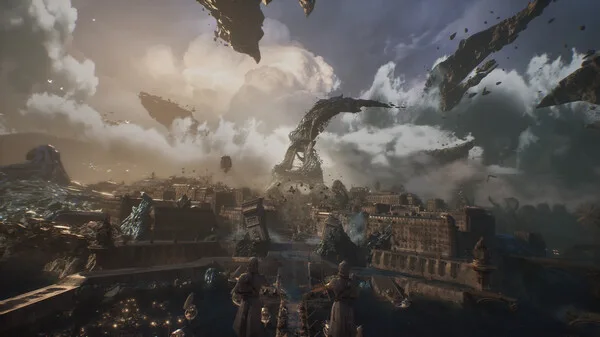
Alright, so the story itself—and I’m not gonna spoil anything here—kicks off with you joining this group called “Expedition 33” in a place called Lumiere, which is basically France during the Belle Époque but make it fantasy. The game opens with some pretty heavy thematic stuff. I’m not exaggerating when I say I’ve seen people mention they bought this game to cope with major life stuff. The narrative has weight. And that’s important to understand because it means the pacing matters more than you’d think.
Don’t rush the early dialogue. I know, I know—you want to get to the combat, right? But the character development in those first few hours is setting up everything about how you’re going to care about these people later. Plus, the game literally has voice acting and the delivery is chef’s kiss. You’re gonna want to actually listen to what people are saying instead of mashing through dialogue like it’s a dating sim.
The character progression system is pretty straightforward once you get past the tutorial area. Each character has their own skill tree, and early on, you’re gonna want to focus on:
- Damage abilities (obviously) but not just the big flashy ones
- Support/healing options—seriously, don’t neglect this
- Defensive abilities that reduce incoming damage or create shields
There’s a trap a lot of beginners fall into: they build everyone like a DPS machine and then wonder why they’re dying constantly. The game scales its difficulty pretty aggressively, so you NEED someone who can keep people alive. I’m talking about characters who can heal or create protective barriers, not just raw damage output.
And here’s the thing about party composition—you’re gonna have a full roster pretty quick, but you can only bring a set number into battles. Early on, focus on leveling whoever feels good to you, but understand that you’ll want a balanced party. You need damage, yes. But you also need someone tanking hits (if possible), someone healing, and ideally someone with crowd control or debuffs.
Turn-Based Strategy Meets Real-Time Dodging: Combat Mechanics Explained (For Real This Time)
Okay, let me actually break down how combat works, because this is where people either get it or totally rage quit.
Phase 1: The Strategic Turn. This is where the turn-based part happens. You see your characters and enemies. You’ve got a few seconds to queue up what each character is gonna do. You can see the turn order at the top of the screen—this is IMPORTANT. Know who’s going next. If your healer is about to go, maybe have them heal. If your damage dealer is next, line up the damage. The turn order matters because it changes where you’ll need to dodge and when enemies will strike.
Phase 2: Execution. Once you lock in your moves, watch them play out. Here’s where it gets spicy: while your characters are executing their attacks, enemies aren’t just standing there. They’re also moving and preparing their own attacks. So the animation time isn’t wasted time—it’s action time.
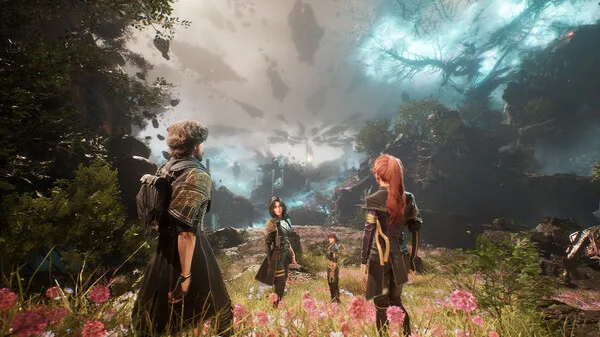
Phase 3: The Real-Time Dodge Window. When an enemy is about to attack YOU (not your ally), you’ll get a visual/audio cue. That’s your signal. You hit dodge (usually mapped to a shoulder button or spacebar depending on your controller/keyboard). The timing window is generous compared to something like Dark Souls, but it’s not forgiving. You can’t dodge spam. You’ll get punished for it because you’ll dodge at the wrong time and just get hit harder.
Here’s the crucial part that nobody explains well: you’re managing multiple characters’ safety simultaneously. Your main controlled character—the one you move around—is your primary dodger. But the AI-controlled characters also need to dodge. They do this automatically sometimes, but not always reliably. This is why positioning matters. If you’re standing near allies, enemies might attack them instead of you, which means you need to manage space.
Resource management is also huge here. Most characters have special abilities that cost something—usually stamina or some kind of meter. You can’t just spam your best attack over and over. You need to manage when you use big attacks versus chip damage. This is where the turn-based strategic thinking actually shines because you’re planning, “Okay, I’ve got three turns before my meter resets, so I’m gonna save my big ability for the turn right before the enemy’s massive attack, so I can heal after.”
The difficulty scaling isn’t joke either. I got comfortable around hour three, thought I was basically a Clair Obscur expert, and then the game introduced a new enemy type that completely destroyed my strategy. That’s actually brilliant game design—it keeps you adapting—but it also means you can’t just figure out one strategy and coast forever.
Best Starting Builds & Party Composition for New Expeditioners
Let me give you the real talk on character builds, because this is where a lot of people mess up their early playthroughs.
When you start Expedition 33, you’re gonna get introduced to different characters with different roles. The game basically gives you templates: the frontline fighter, the mage, the rogue, whatever. But here’s what beginners don’t understand: you can’t just assign roles and forget about it. Characters need skill point investment, and investing wrong early on can make the game harder than it needs to be.
For your frontline character (whoever’s gonna tank the most hits): Invest in defensive skills first. Health increases, damage reduction, blocking abilities. I know it’s tempting to pump all points into their damage ability, but trust me—a character who stays alive and does medium damage is way better than a character who dies before executing their combo.
For your healer (and yes, you NEED one): Prioritize healing potency and efficiency. Some healing abilities cost a lot of resources for modest healing. Others are efficient but smaller heals. Early on, efficient heals matter more because you’ll be using them every battle. As you progress, you can start building bigger heal abilities.
For your damage dealers: Here’s where you get to go a little crazy, but not completely. Focus on abilities that scale well with your stats. Some attacks do fixed damage (meh), some scale with attack power (good), some have utility like applying debuffs (even better). A character who does damage AND applies weakness or defense reduction is more valuable than pure raw damage.
A solid early-game party composition looks like this:
- One tank/frontline (higher health, defensive abilities)
- One healer (healing abilities, maybe some defensive buffs)
- Two damage dealers (one can be rogue-ish with crowd control, one is pure glass cannon)
This gives you coverage. If your healer dies (and they will, at least once), you’ve got backups. If your tank dies, your damage dealers can still chip away at enemies. If you need crowd control, your rogue-type character can apply stuns or slows.
The ability progression is where people also mess up. Not every ability is created equal. Some abilities look cool but are actually kind of mid for the resource cost. I recommend testing abilities in combat before fully committing skill points. The game lets you respec eventually, but early on, you want to avoid wasting points.
Common Mistakes That Derail Beginner Runs (And How to Avoid Them)
Alright, so I’ve watched a LOT of new players streaming Clair Obscur, and there are like five mistakes that keep showing up over and over. Let me save you the heartbreak.
Mistake #1: Not understanding that dodging is mandatory, not optional. I cannot stress this enough. If you think you can out-damage enemy attacks, you’re already lost. The game will scale faster than your damage can handle. Dodging is how you survive. Master the dodge timing before you try to master combos.
Mistake #2: Ignoring healing. This is wild how many people try to beat Clair Obscur with zero healing abilities. You’ll get destroyed. Even if one character has a single healing spell, it’s better than nothing. Ideally you want a dedicated healer, but at minimum you need some way to recover health.
Mistake #3: Not paying attention to the turn order. The turn order is visible on screen, and it matters enormously. If you know the enemy’s big attack is coming next, you should plan your moves accordingly. Maybe have your healer ready to patch people up. Maybe have your tank move forward to take aggro. The turn order is your cheat code for strategy.
Mistake #4: Overleveraging one party member. Some characters just feel better to play, right? So you load all the skill points into them. Then they get targeted by enemies and suddenly you’ve got an unbalanced party that crumbles when your star player is struggling. Spread your investment around. Make sure everyone can handle themselves.
Mistake #5: Underestimating resource management. Almost every ability costs something—stamina, mana, cooldown timers, whatever. Beginners tend to use their best abilities immediately, which sounds logical until you realize you’ve got three turns left in a long battle and you’re out of resources. Plan your ability usage. Save your biggest hits for when they matter most.
Mistake #6: Not adapting your strategy when it’s not working. This one’s more of a mindset thing. You come up with a plan, it doesn’t work, and you keep doing the same thing hoping for different results. That’s not strategy, that’s insanity. If enemies are destroying you, switch party members. If you can’t handle the damage output, bring a second healer. If you’re too slow, bring more damage. Flexibility is your actual superpower here.
The game gives you pretty clear feedback when you’re struggling. If you’re barely scraping by in fights, that’s the signal to rethink your approach. The difficulty doesn’t have an easy mode just for fun—it’s testing whether you’ve actually adapted to the combat system.
Pacing Through the Early Story Without Burning Out
Here’s something that doesn’t get talked about enough: the pacing of Clair Obscur is actually designed to be slow at first. This isn’t a bug. This is intentional world-building.
The first couple hours, you’re basically meeting people and learning about Lumiere. The combat is simpler. Enemies are weaker. The game is teaching you the system gently. Then, somewhere around hour three or four, things ramp up. New enemy types. Harder encounters. More complex scenarios. And then it keeps escalating.
Don’t treat the early hours as a slog to get through. Treat them as the foundation. This is where you’re supposed to be learning how your characters specifically work, not just how combat works in general. Every character has subtle differences in how they move, attack, and recover. Getting to know those differences early makes the harder encounters feel fair instead of cheap.
Also, the story beats are genuinely worth your time here in the USA market where action RPGs sometimes skimp on narrative. This game doesn’t. It’s got voice acting, character arcs, themes about mortality and connection—actually heavy stuff. If you rush through it, you’ll miss the narrative payoff that makes later battles feel meaningful instead of just being number-crunching.
I’d recommend not grinding more than necessary. The game scales with you, so overleveling doesn’t really trivialize encounters. Instead, focus on learning. Spend time experimenting with different party compositions in random encounters. Test out abilities you haven’t used. Get comfortable with the dodge timing. When you hit a tough story boss, you’ll feel like you’ve actually earned the victory instead of just stat-checked your way through.
Should You Even Play Clair Obscur as a Beginner?
Real talk: if you’re completely new to action RPGs and turn-based systems, Clair Obscur might be a little rough. But is it impossible? Absolutely not. The game has difficulty options, and honestly, even on higher difficulties, the core mechanics are learnable. You’re not looking at a Dark Souls situation where the game is actively trying to punish you for existing.
The question is really: are you willing to spend a few hours adjusting your brain? Because that’s what this game demands. It’s not a traditional turn-based RPG and it’s not a traditional action game. It’s something in between, and that requires actual adaptation.
But here’s why it’s worth it: once you get it, combat feels incredible. There’s this moment when you’re dodging enemy attacks perfectly, your team is executing your strategy flawlessly, and you’re managing resources like a professional. That feeling is addictive. And the story underneath it all is genuinely beautiful. The world is lush and detailed. The characters are written with actual care. This isn’t some throwaway action game—it’s an experience.
If you’ve got the patience to learn a new system and the interest in actually engaging with a narrative, I’d say go for it. The first five hours are the hardest, but after that, you’ll either be hooked or you’ll know it’s not for you. Either way, you’ll have a better sense of what this game actually is.
 Okay so here’s my honest final take: I came into Clair Obscur expecting one thing and found something way more interesting. The hybrid combat system that seemed “gross” at first? Now I’m absolutely obsessed with it. The pacing that felt slow? Now I appreciate the world-building. The character depth that seemed optional? Now I’m emotionally invested in these people.
 The key to not getting frustrated in your first five hours is understanding that you’re not trying to master everything at once. You’re trying to understand one thing: how your brain needs to work differently to play this game. Turn-based plus real-time. Strategic plus reactive. Slow plus fast. Once that clicks, everything else falls into place pretty naturally.
Go in patient. Go in ready to dodge. Go in willing to experiment. And honestly? Go in understanding that some of your favorite gaming moments might be waiting for you in Expedition 33. Because for me, they definitely were.
Now if you’ll excuse me, I’ve got some more expeditions to run. The world of Lumiere isn’t gonna save itself.